A Brand New Supplier

The History of Leather
Leather’s history spans thousands of years, evolving from a vital survival material of the Stone Age to a symbol of craftsmanship and luxury in the modern era. Early humans relied on animal hides for clothing, shelter, and protection, gradually discovering preservation methods through drying and the use of natural substances such as tree bark.
As civilizations advanced, tanning techniques became more sophisticated. The ancient Greeks pioneered vegetable tanning methods, while the Egyptians employed leather extensively in everyday life, producing items such as sandals, military equipment, and ceremonial goods. The Romans further elevated leatherworking by incorporating leather into armour and infrastructure, underscoring its durability and versatility.
During the Middle Ages and Renaissance, leather craftsmanship flourished, marked by intricate decorative tooling and artisanal refinement. The Industrial Revolution ushered in a transformative era with the introduction of chemical tanning processes, significantly accelerating production, improving consistency, and enhancing material quality—laying the foundation for leather’s enduring role in contemporary design and luxury goods.
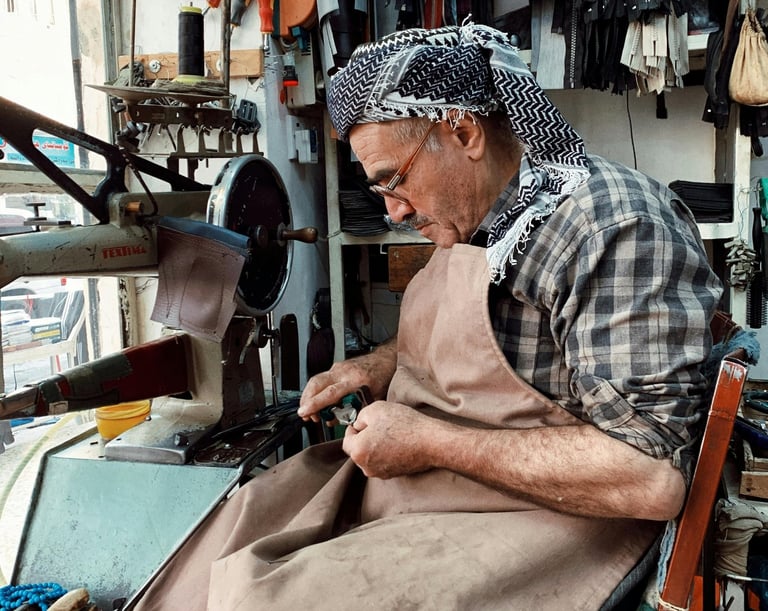
The Art of Leather
Leather is a premium, time-honoured material celebrated for its strength, flexibility, and enduring beauty. Crafted from carefully selected animal hides—primarily cattle, goats, and sheep, with select exotic options—leather is preserved through an expert tanning process that enhances its natural character while ensuring exceptional durability. Its unique ability to age gracefully makes leather a hallmark of quality in fashion, furniture, and luxury accessories.
Why Leather Stands Apart
Unmatched Durability: Naturally resilient, leather resists tearing, abrasion, and everyday wear.
Breathable Comfort: Regulates temperature and allows moisture to escape, ensuring lasting comfort.
Natural Flexibility: Molds effortlessly over time for a personalized fit and feel.
Water-Resistant Protection: Provides reliable defence against light moisture and the elements.
Responsibly Sourced Materials
Premium Hides: Cowhide, buffalo, and horse.
Fine Skins: Sheep, goat, pig, and deer.
Distinctive Exotics: Alligator, snake, ostrich, and kangaroo.
Crafted Through Expert Tanning
Every hide undergoes a meticulous, multi-stage tanning process:
Preparation: Careful cleansing and conditioning preserve the hide’s integrity.
Tanning: Vegetable or mineral tanning stabilizes fibres while enhancing strength and longevity.
Re-tanning & Dyeing: Rich colours and supple textures are developed.
Milling: Gentle tumbling enhances softness and reveals natural grain.
Finishing: Specialized treatments create refined finishes—from velvety suede to polished, high-gloss leather.


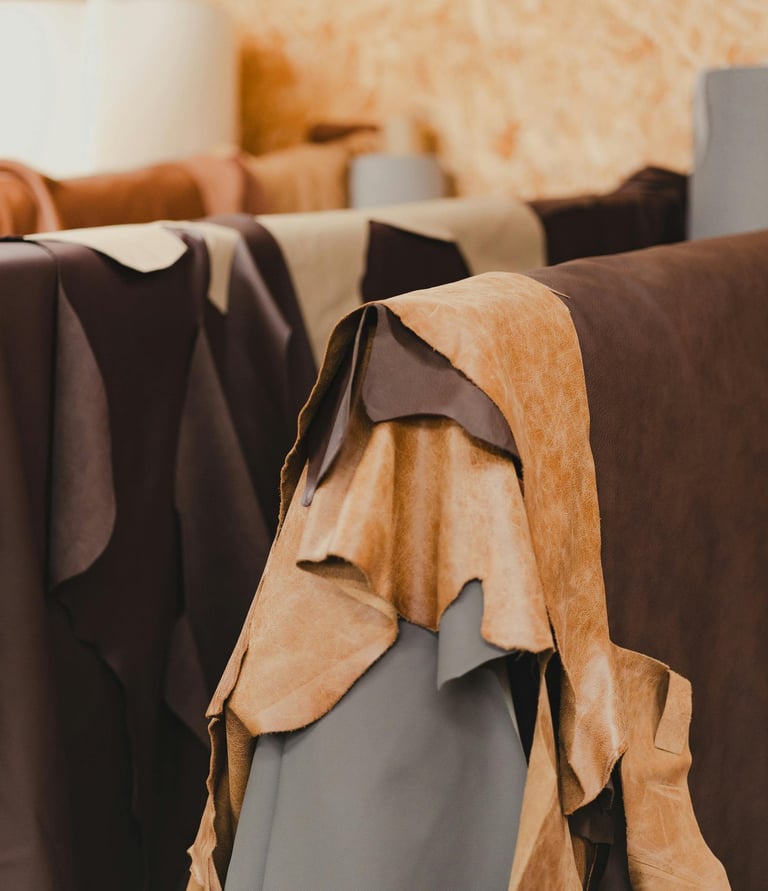


Leather Guides
Signature Leather Types
Full-Grain Leather: Widely regarded as the pinnacle of leather quality, full-grain is sourced from the outermost layer of the hide. By retaining the entire natural grain, we preserve the unique character and structural integrity of the skin
Top-Grain Leather: Sourced from the uppermost layer of the hide, this leather undergoes a light surface refinement—specifically a meticulous sanding or buffing—to minimize natural markings. It is then treated with a specialized finish coat for enhanced consistency.
Split Leather: Derived from the fibrous corium layer, this material is produced once the grain-side top layer has been separated. It represents the resilient, inner section of the hide..
Corrected Grain: This leather is prized for its exceptional visual consistency and superior cutting yield.
Bonded Leather: A reconstituted material composed of leather remnants and scraps joined by a synthetic binding agent. While highly cost-effective, the lack of a natural grain structure results in reduced durability.
Leather Cuts & Quality
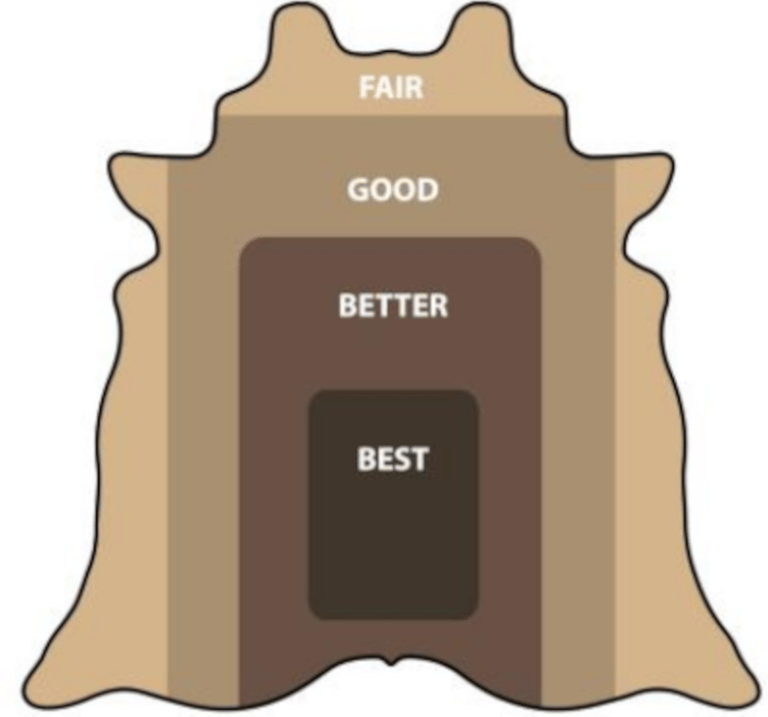
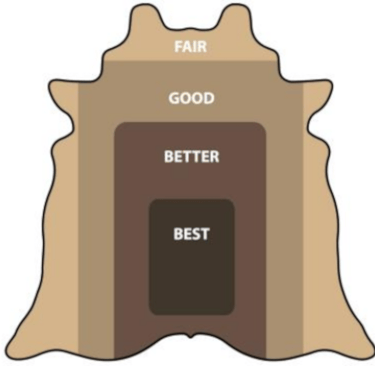
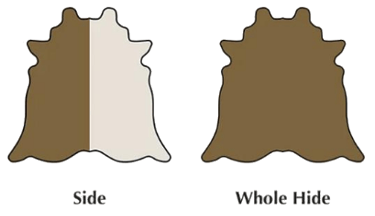
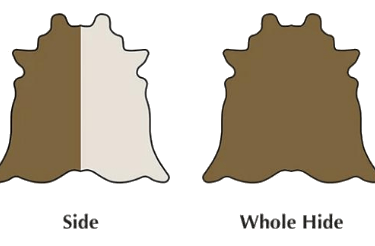
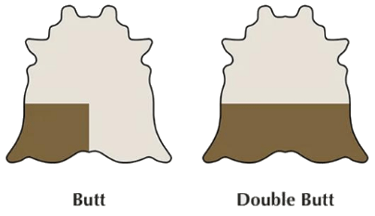
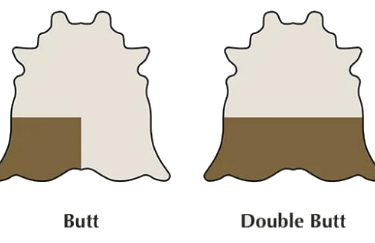
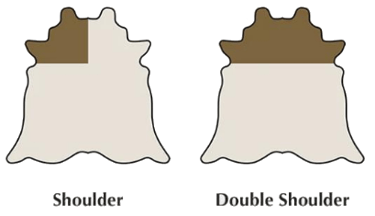
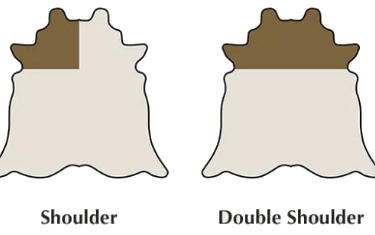
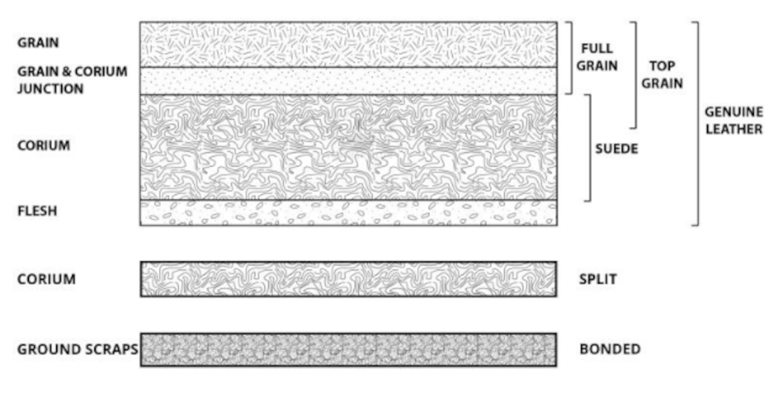
Natural Leather Hide Layers
Brand
Explore our sleek website template for seamless navigation.
Contact
Newsletter
info@email.com
© 2025. All rights reserved.